
Heating & Air Conditioning FAQ
For Experienced Dallas AC and Heating Services - Call (214) 242-6977

Q. What regular maintenance do heating and air conditioning systems need?
The most important part of HVAC maintenance is maintaining unrestricted air flow. Dust, dirt, and debris are an HVAC system’s worst enemy. Whether it’s an indoor or outdoor unit, you must keep all filters clean. In addition, make sure that your heat exchangers and coils are free of restrictions.
Q. Why is it so important to replace your HVAC filters?
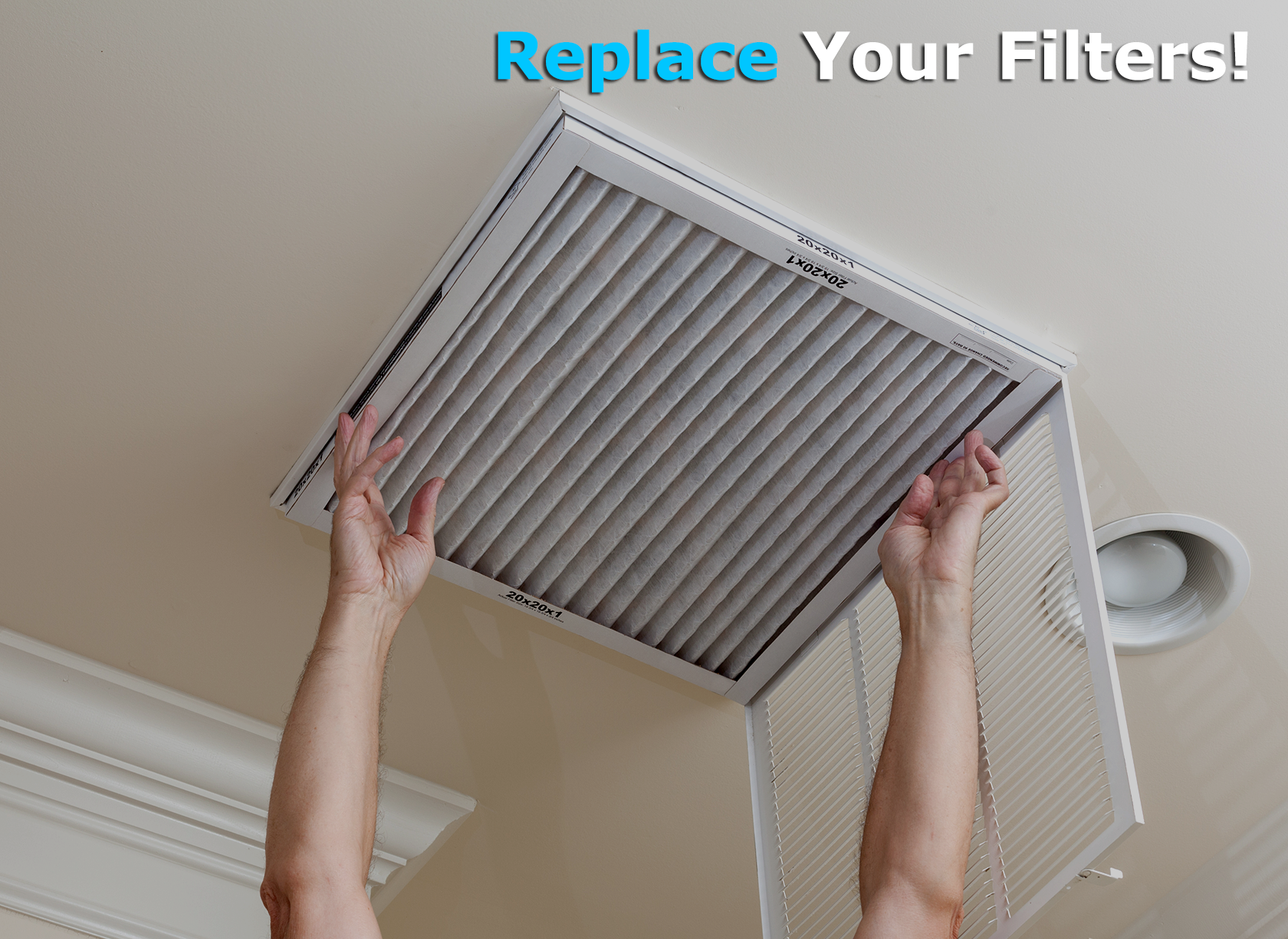
Make sure that you change your filter(s) regularly, depending on the type of filter you have. This alone can eliminate many of the most common problems that need fixing and can significantly reduce the likelihood of a serious breakdown.
Q. In addition to changing my filters, what maintenance should I do on my heater and/or air conditioner?
Most maintenance should be performed only by a qualified service technician, however, there are a few things that you can do to assure optimal performance:
-
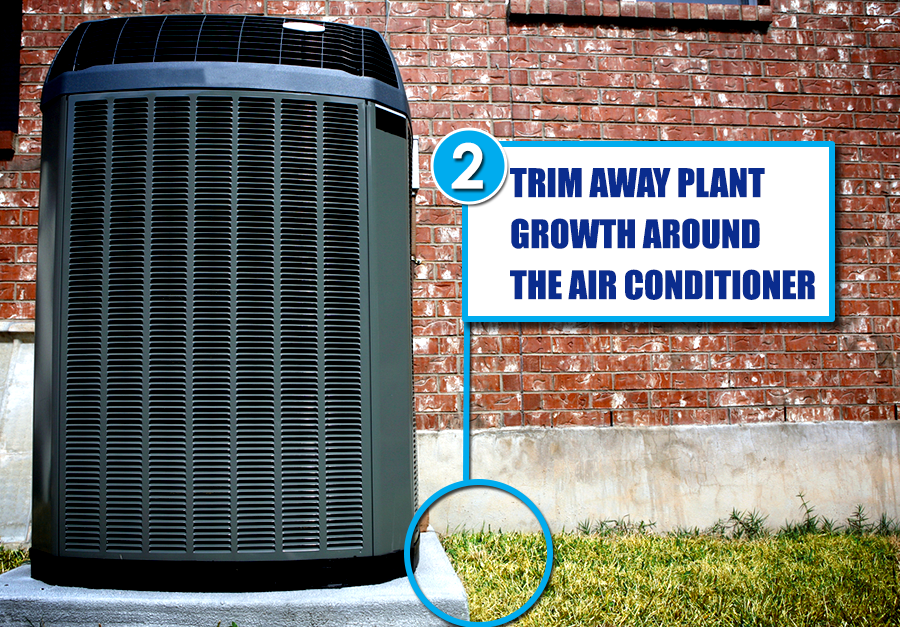
Keep ground mounted outdoor units clear of debris, clutter, and weeds ─ they can reduce the airflow to the unit.
-
Use caution with lawn equipment such as weed trimmers around the unit to prevent damaging control wiring.
-
Keep pets, and pests away from the unit ─ You would be shocked at the number of units we have seen damaged by pet urine, or ants that have crawled into the air conditioning unit. An inexpensive solution to the pet dilemma is to separate the area from your pet and your outdoor unit. (an example is pictured below)
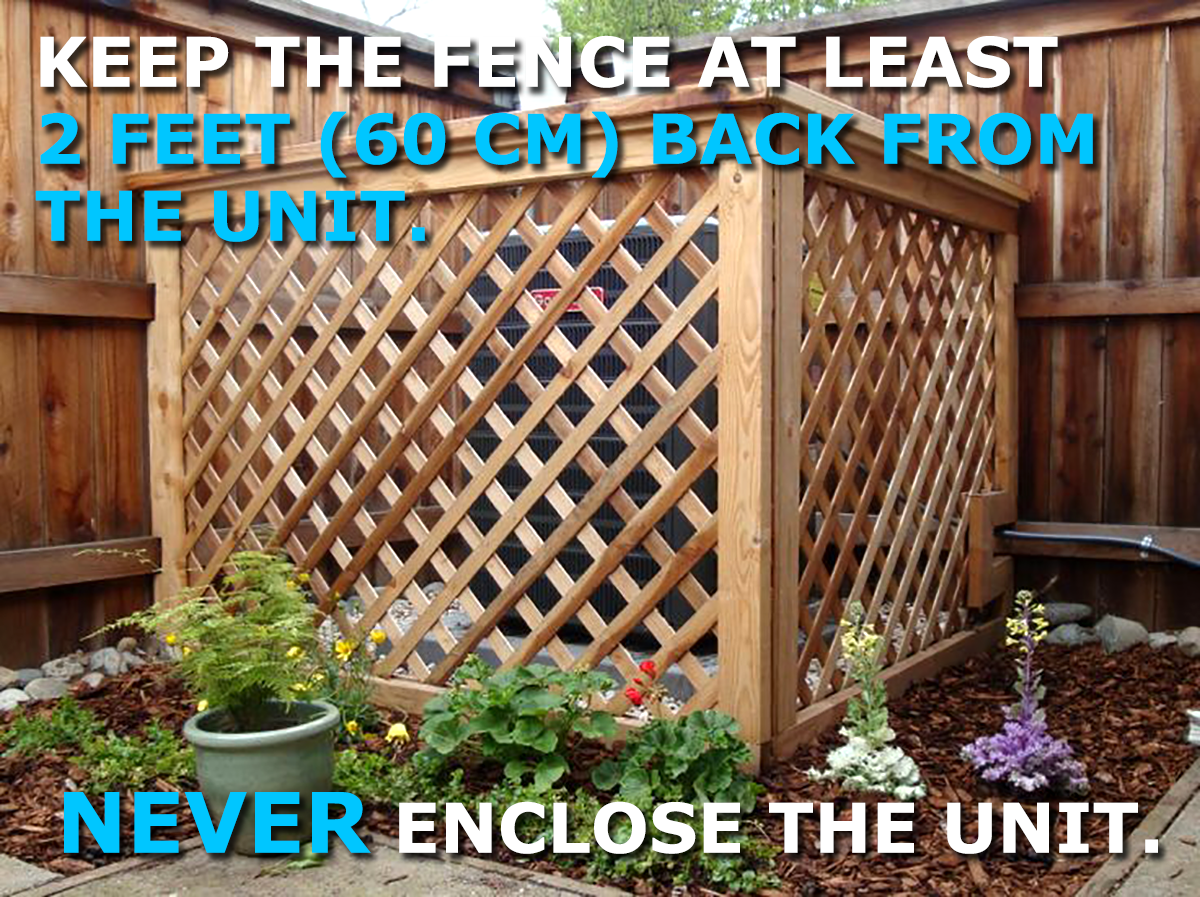
Though outdoor units aren't very aesthetically pleasing, you must keep in mind that it is a machine with delicate, moving parts that need proper air flow! After all, this is where the air is brought through before entering your home. The fence you build around the unit needs to be at least 2 feet (60 cm) away, properly ventilated, and never enclosed. We have seen many ideas on Pinterest that people have posted that are not only unsafe but will overwork your system and cause it to break down much earlier than it should. Keep in mind when you build it─ both you, and a service professional will need to be able and get to it.
Q. Why is my air conditioner leaking water?
Your AC uses an evaporator coil that cools down warm air, which creates moisture. The water that is created should collect in a drain pan and be led out of the AC and your home through a condensate drain line. If the condensate drain line breaks, gets clogged, becomes too dirty, or rusts, this is what can cause leaking in the unit. A professional Dallas AC technician can help you with changing your air conditioning filter or any other necessary repairs.
Q. How often should I have maintenance done on my air conditioner?
You should have maintenance done on your air conditioning system at least once a year – spring to early summer being the best times. Not only does this ensure maximum efficiency, but it also enables us to foresee any possible problems that may occur in future. We often inform our customers that it is best to schedule fall or spring tune-ups early in the season instead of waiting until the middle of our busiest time when we could be fully booked. This helps reduce stress on you and also helps us catch any underlying issues that will need to be repaired. No one likes to be minus air conditioning in the middle of August, especially in Texas.
Q. Is there anything I should check before calling for service?
This is going to sound funny, but always check that your air conditioner or furnace is turned on. Often, our service guys go out to locations only to discover that the unit itself hasn't been turned on, or the breaker has been flipped. Check that the breakers and the disconnects are turned on and make sure the thermostat is set correctly. No one wants to pay a diagnostic fee only to discover that it was as simple as flipping a switch!
Q. I am smelling weird odors in my house - could it be my heating or AC unit?

Though some smells are natural at the beginning of the season, such as when you turn on your heater, you'll notice a chemical or burnt smell. That's normal and will typically go away after the first use. There are a couple of things you shouldn't ignore:
- Do not ignore loud noises; it could be a belt that has not been installed correctly or signs that something is not functioning correctly and needing to be replaced.
- Never ignore the smell of rotten eggs (sulfur). This is usually a strong indication of a gas leak. If this happens, immediately turn off the system, call the gas company to notify them, and call a service professional to diagnose the issue.
Q: How long can I expect a new HVAC system to last?
Many factors should be considered when determining the lifespan of your system. The key factors include proper installation, proper maintenance, make and model, number of repairs, and frequency of use. Most systems have a lifetime of 10 to 20 years, but this number drastically changes depending on if you have scheduled recommended annual HVAC tune-ups, or at least have done regular maintenance yourself. You can see our blogs over cleaning your outside air conditioning unit, replacing filters, and other advice here. The general lifespan of a unit that has not had proper maintenance or care rarely exceeds 7-10 years. With a properly installed system that is regularly maintained, it could last up to 25 years!
Q: How can I lower my HVAC costs?

- Use your programmable thermostat wisely. If you don’t have a programmable thermostat by now, you may want to purchase one. Especially if you frequently change the temperature throughout the day. These are especially useful if you are away from your home for long periods of time, or would like to control your home’s temperature remotely. Remember, though, if you have it─ use it! According to the EPA, the recommended setting for your thermostat is 10° to 15° cooler/warmer for 8 hours. (for example, while you are away or asleep)
- Use your ceiling fans. Did you know that your ceiling fan has a summer and winter setting? Most people don't! It’s the little black switch located near the base of the fan. Make sure that your ceiling fan is running in a counter-clockwise direction in the summer, with air flowing down. In the winter, flip the little black switch and reverse the direction of your fan. The blades will turn in a clockwise direction, creating an updraft that helps push the warmer air near the ceiling down toward the ground.
- Schedule HVAC maintenance once in the fall, once in spring. We know it sounds redundant, but it is the best route to take to ensure everything is running smoothly. Even just replacing filters, or cleaning your coils can help. (see our blog on how to clean your coils here and also how to replace filters and improve air quality here.)
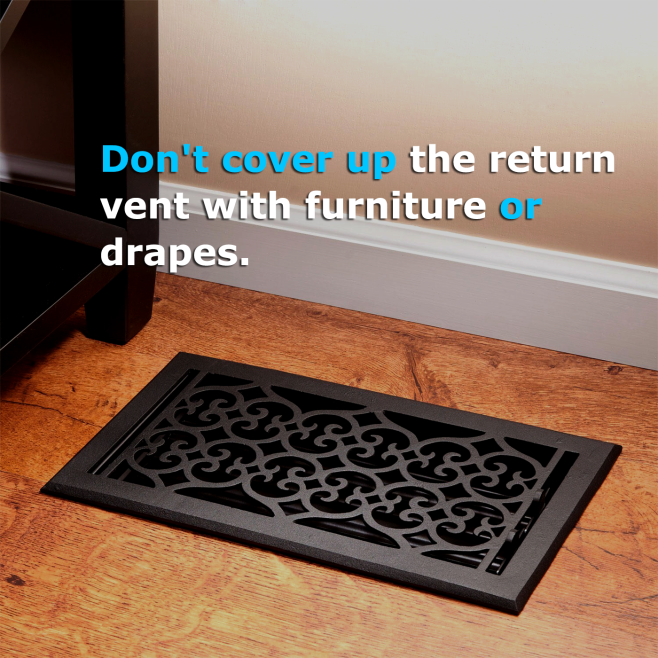
- Do not block or close off vents in other rooms, or close doors. This can decrease the efficiency of a central air conditioning system and cause humidity problems. It is a common myth that closing off rooms will save money─ even if the rooms aren't used very often. Closing registers and doors for a forced-air heating and cooling system in a typical, insulated home will actually make the unit work harder and cost you more.
Got more questions? You can also see our blog on tips to keep your air conditioning and heating from breaking down or contact us directly!